10 Classic Board Games Every Family Should Own
From Scrabble to Ticket to Ride, these classic board games deliver years of family fun. See ages, play times and why each one belongs on your shelf.
In this guide
Some games come and go. Others stay on family shelves for decades because they are simple to learn, fun at almost any age and endlessly replayable. This list mixes timeless classics with modern favorites that have already earned "classic" status.
1. Scrabble
Ages: 8+ | Players: 2–4 | Play time: About 60–90 minutes
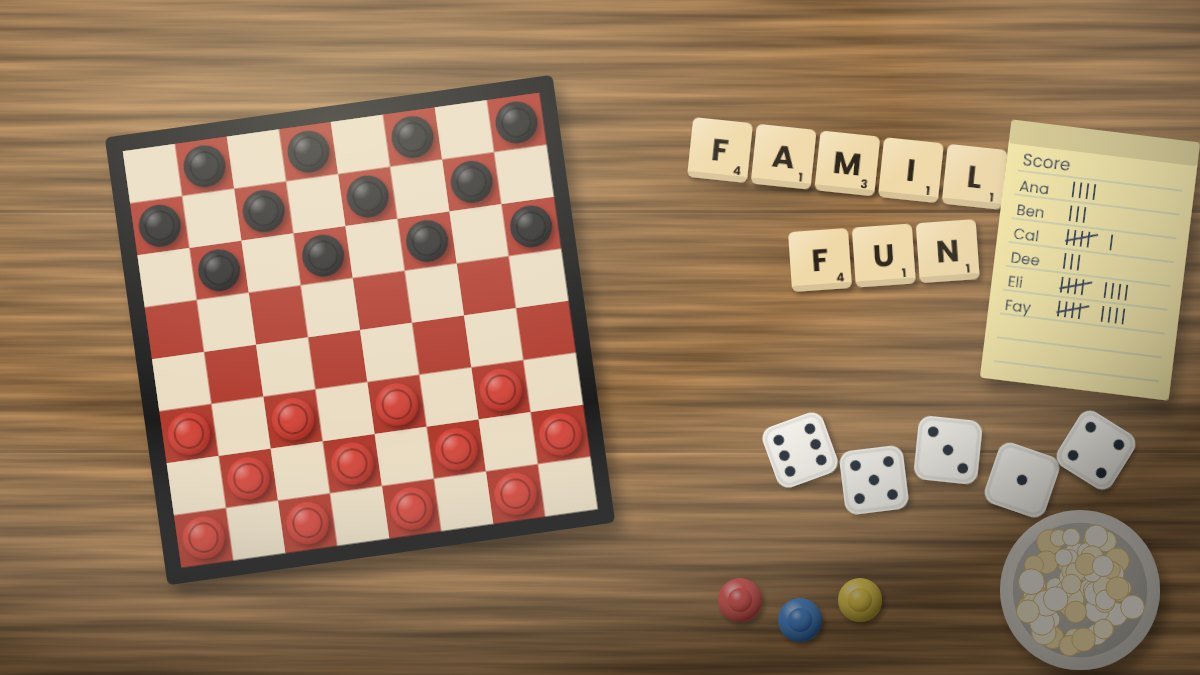
The crossword-style word game has been a household staple for generations. It builds vocabulary and spelling skills while giving adults plenty of strategic depth. For younger kids, try playing in teams or allowing a dictionary.
2. Chess
Ages: 6+ | Players: 2 | Play time: 10–60 minutes
Chess is cheap, portable and offers a lifetime of learning. Kids often pick up the moves quickly, and playing together is a great way to teach patience and planning. A simple wooden set can last for generations.
3. Checkers
Ages: 6+ | Players: 2 | Play time: 15–30 minutes
Checkers is the perfect first strategy game. The rules are easy enough for young kids, yet the game still rewards thinking ahead. Many chess boards come with a checkers set on the reverse side.
4. Clue
Ages: 8+ | Players: 2–6 | Play time: About 45 minutes
Who did it, with what and where? Clue teaches deductive reasoning in a playful, story-driven way. Kids love the mystery, and adults love catching each other in a bluff.
5. Sorry!
Ages: 6+ | Players: 2–4 | Play time: About 30 minutes
A race to get your pawns home, with plenty of chances to bump opponents back to start. It is light, lively and full of dramatic reversals, which makes it a favorite with younger players.
6. Yahtzee
Ages: 8+ | Players: 1 or more | Play time: About 30 minutes
A dice game of luck and simple choices. Yahtzee quietly builds math skills as players add up scores and weigh odds. All you need is five dice and a score sheet, so it is easy to travel with.
7. Ticket to Ride
Ages: 8+ | Players: 2–5 | Play time: 30–60 minutes
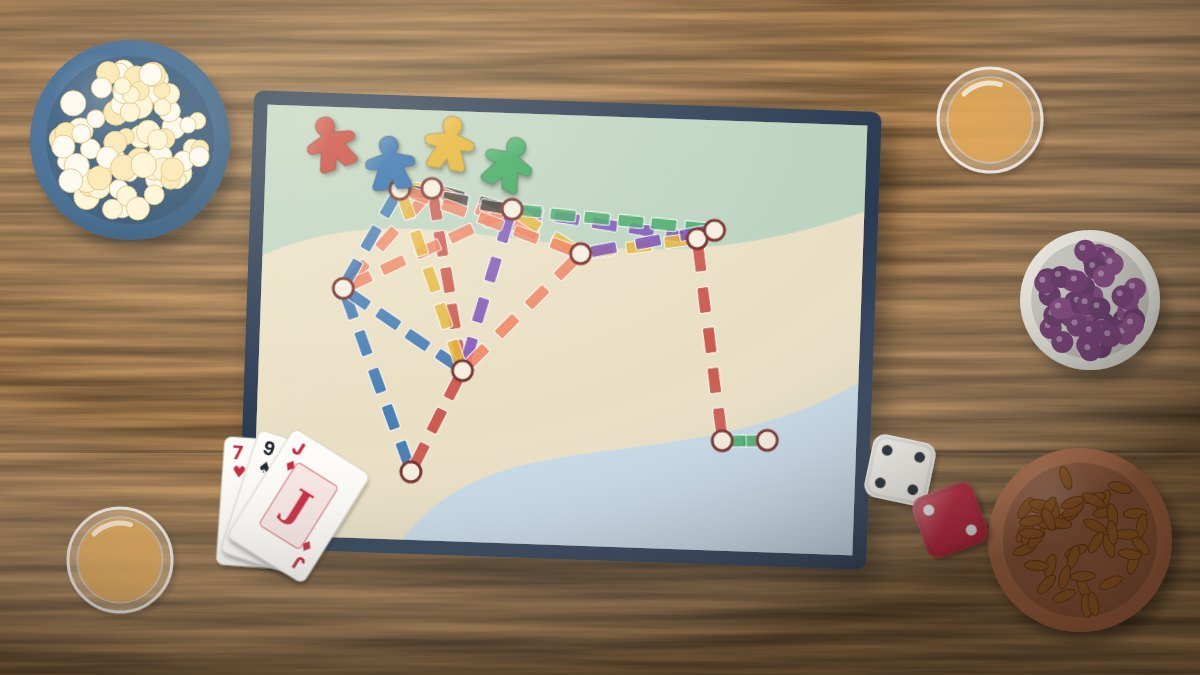
Released in 2004 and winner of the Spiel des Jahres that year, Ticket to Ride has become a modern classic. Players collect colored train cards to claim railway routes across a map of North America. The rules take five minutes to learn, and the map is a fun way to talk about geography.
8. Catan
Ages: 10+ | Players: 3–4 (expansions add more) | Play time: 60–90 minutes
Formerly known as The Settlers of Catan, this game helped launch the modern board game boom. Players gather and trade resources to build roads and settlements on an island. Trading creates lots of friendly negotiation and table talk.
9. Connect 4
Ages: 6+ | Players: 2 | Play time: About 10 minutes
Drop checkers into a vertical grid and try to get four in a row. It is fast, easy to understand and surprisingly tactical. A great choice for a quick game while dinner cooks.
10. Candy Land
Ages: 3+ | Players: 2–4 | Play time: About 15–20 minutes
Candy Land requires no reading and no strategy, which makes it an ideal first board game for preschoolers. It teaches colors, counting and the basics of taking turns.
Quick reference chart
| Game | Ages | Players | Best for |
|---|---|---|---|
| Scrabble | 8+ | 2–4 | Word lovers |
| Chess | 6+ | 2 | Strategy and patience |
| Checkers | 6+ | 2 | First strategy game |
| Clue | 8+ | 2–6 | Mystery fans |
| Sorry! | 6+ | 2–4 | Lively family fun |
| Yahtzee | 8+ | 1+ | Travel and math practice |
| Ticket to Ride | 8+ | 2–5 | Gateway to modern games |
| Catan | 10+ | 3–4 | Trading and negotiation |
| Connect 4 | 6+ | 2 | Quick games |
| Candy Land | 3+ | 2–4 | Preschoolers |
Ages and play times are approximate and can vary by edition.
Tips for building a family game collection
- Cover a range of ages. Have at least one game for your youngest player and one that challenges your oldest.
- Mix luck and strategy. Luck-based games level the playing field; strategy games reward practice.
- Start small. Five or six well-loved games are better than a closet full of unplayed ones.
- Look for secondhand bargains. Thrift stores and yard sales often have classics in good condition. Just check that all the pieces are there.
The bottom line
A great family game collection does not need to be big. Pick a few classics that span different ages and styles, set aside a regular game night, and let these timeless games do what they do best: bring everyone to the same table.