How to Host a Stress-Free Board Game Night
Hosting a board game night should be fun for you too. Learn how to choose games, plan snacks, teach rules and keep the evening relaxed for every guest.
In this guide
Board game nights have a funny way of going sideways. One guest cannot follow the rules, another is bored waiting for their turn, and the host spends the whole evening refilling chips instead of playing. The good news is that a few simple choices make the difference between a stressful night and one your friends talk about for weeks.
Start with the guest list, not the game shelf
It is tempting to plan the night around the shiny new game you want to try. Instead, think about who is coming:
- How many people? This decides which games you can play. Many great games top out at four or five players.
- How experienced are they? A group of first-timers needs different games than your regular crew.
- What is the vibe? Some groups want laughter and noise. Others prefer a quiet strategy game.
A simple rule of thumb: plan for one more person than you expect. Someone always brings a partner or roommate.
Choose a lineup of three games
Instead of one big game, plan a short lineup:
- An opener (15–20 minutes). Something easy that people can join while others arrive, like Sushi Go!, Love Letter or Just One.
- The main event (45–90 minutes). The game you are most excited about, such as Ticket to Ride, Catan or Wingspan.
- A closer (10–20 minutes). A light, social game to end on a laugh, like Codenames or Wavelength.
This structure gives latecomers an easy entry point and ends the night before anyone gets tired.
Learn the rules before guests arrive
Nothing slows a game night more than a host reading the rulebook out loud. Play a practice round alone or watch a short rules video the day before. When you teach, follow this order:
- The goal. "We are all building train routes, and the most points wins."
- What you do on a turn. Keep it to two or three options.
- How the game ends.
- Details as they come up. Explain special cases when they happen, not upfront.
Set up the table for comfort
- Clear more space than you think you need. Many games sprawl.
- Keep drinks off the playing surface. A side table or tray saves your cards from spills.
- Light the room well. Dim mood lighting looks nice but makes cards hard to read.
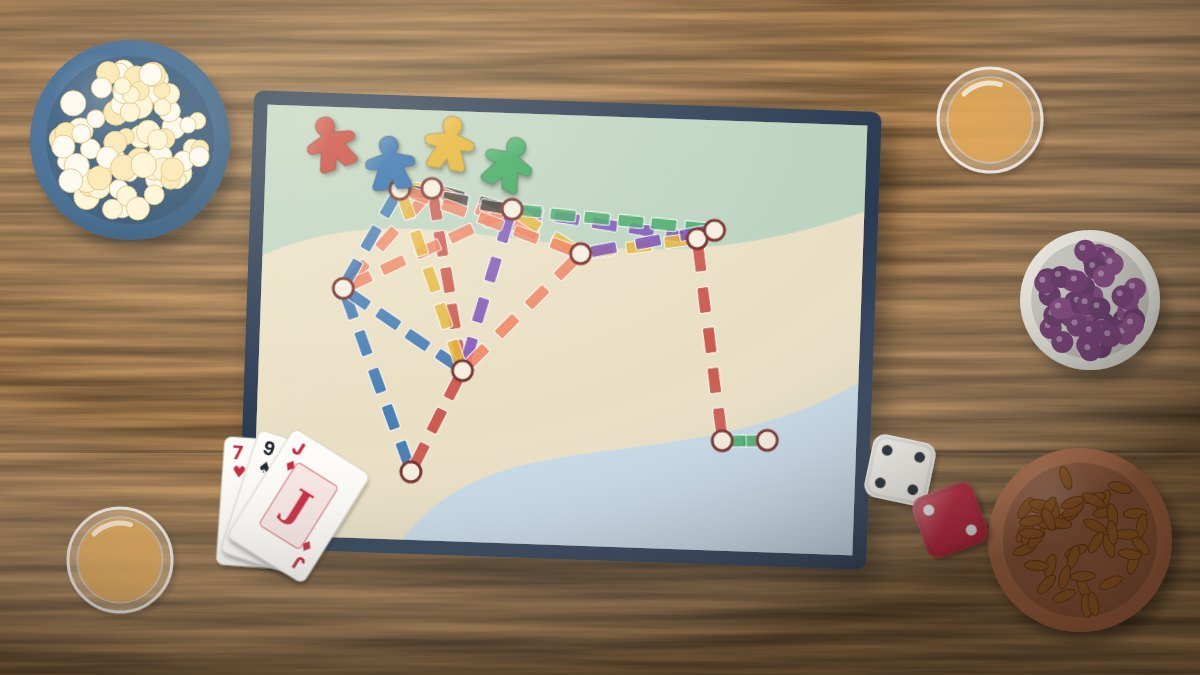
- Pre-sort components. Put pieces in small bowls or bags before people arrive so setup takes minutes, not half an hour.
Plan snacks that do not ruin your games
Greasy fingers and cardboard do not mix. Good game night snacks are:
- Bite-size and easy to eat with one hand
- Not sticky, crumbly or greasy
- Served in bowls with spoons or toothpicks
Popular choices include pretzels, grapes, veggies with dip in individual cups, popcorn served with napkins, mini sandwiches and cookies that do not crumble. If you want to serve a meal, eat before playing.
Keep the energy positive
Hosts set the tone. A few habits help everyone have a good time:
- Welcome mistakes. Let new players take back a move during their first game.
- Watch for downtime. If someone looks bored, help them plan their next turn.
- Mind the sore winners. A quick "good game" and moving on keeps things friendly.
- Rotate who picks. If you host regularly, let guests choose the main game sometimes.
Have a simple ending plan
Decide when the night will end before it starts, and give a heads-up before the final game. "Let's do one round of Codenames and call it a night" is much easier than an awkward goodbye in the middle of a two-hour game.
A sample game night plan
| Time | Activity |
|---|---|
| 7:00 | Guests arrive, snacks out, opener game |
| 7:30 | Teach and play the main game |
| 8:45 | Short break, refill drinks |
| 9:00 | Closer game, lots of laughter |
| 9:30 | Wrap up and clean up together |
The bottom line
A stress-free game night comes down to preparation: know who is coming, choose a short lineup, learn the rules in advance and keep snacks simple. Do that, and you will actually get to sit down and play at your own party.